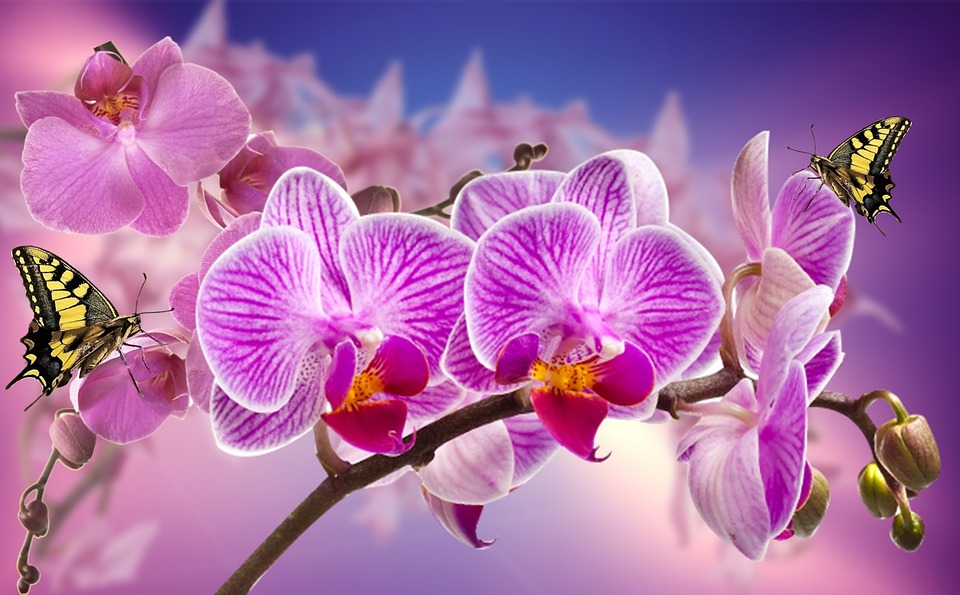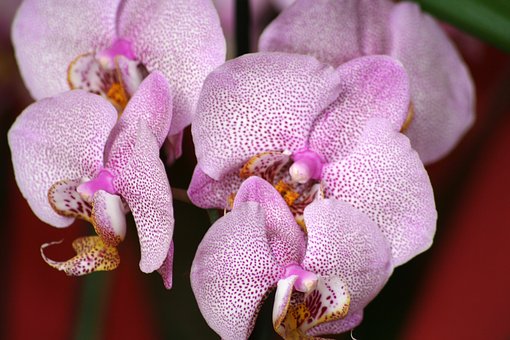
When it comes to adding a touch of elegance and vibrancy to your garden, few colours can compete with the timeless allure of purple. Purple flowers exude a sense of charm and sophistication that can transform any outdoor space into a captivating oasis. Whether you’re a seasoned gardener or just getting started, there are numerous varieties of purple flowers to choose from. In this article, we’ll explore ten different types of purple flowers that you can grow in your garden, each offering its unique beauty and personality.
10 Types of Purple Flowers
1. Campanula
Campanula, commonly known as bell flower, is a versatile genus that encompasses a wide range of species and varieties. These charming perennial plants are known for their bell-shaped blooms that range in color from deep purple to lavender and blue. Campanula comes in various sizes, making it suitable for gardens of all sizes. The trailing varieties, like Campanula portenschlagiana, are perfect for hanging baskets and rock gardens, while taller varieties like Campanula persicifolia add a vertical dimension to flower beds. Campanula is beloved for its delicate appearance and is sure to add a touch of elegance to your garden.
2. Lavender
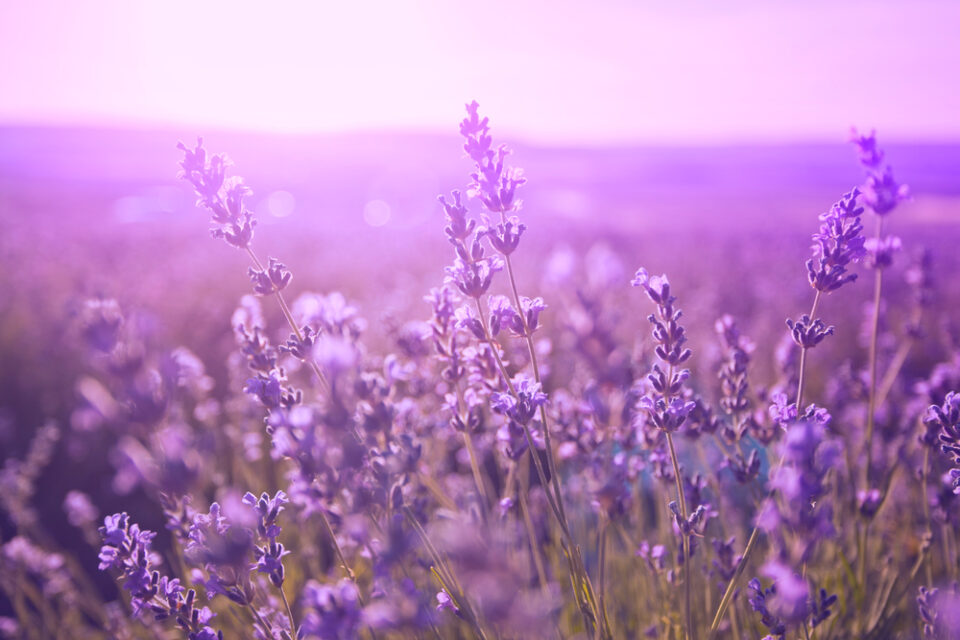
Lavender is not only famous for its soothing fragrance but also for its stunning purple blooms. This aromatic herb is a must-have for any garden. Lavender varieties like Lavandula angustifolia ‘Munstead’ and ‘Hidcote’ produce spikes of fragrant, purple flowers that not only look beautiful but also attract pollinators like bees and butterflies. Lavender is also known for its versatility – it can be used in a variety of ways, from making herbal teas and sachets to adding a calming touch to your landscape.
3. Purple Cone flower
Purple Cone flower is a North American native perennial that boasts striking, daisy-like purple flowers with a prominent cone-shaped centre. These flowers are not only attractive but also beneficial for attracting pollinators and supporting the local ecosystem. Purple Cone flower is known for its resilience and ability to thrive in various soil conditions, making it an excellent choice for both novice and experienced gardeners. Its vibrant purple blooms will brighten up your garden from late spring to early fall.
4. Iris
Irises are a diverse group of flowers that come in various colours, including shades of purple. Iris varieties like Iris germanica and Iris sibirica feature elegant, sword-shaped leaves and intricate, violet-hued blooms. These perennial plants are known for their elegance and are often used as focal points in garden designs. Plant different types of iris to enjoy a prolonged blooming season, from late spring to early summer.
5. Balloon Flower
Balloon flowers, also known as Chinese bell flowers, are named after their unique, balloon-like buds that burst open to reveal lovely, star-shaped, purple-blue blooms. These perennials are easy to grow and make excellent additions to borders and rock gardens. Their distinctive buds and beautiful blossoms add a touch of whimsy to any garden.
6. Cat mint
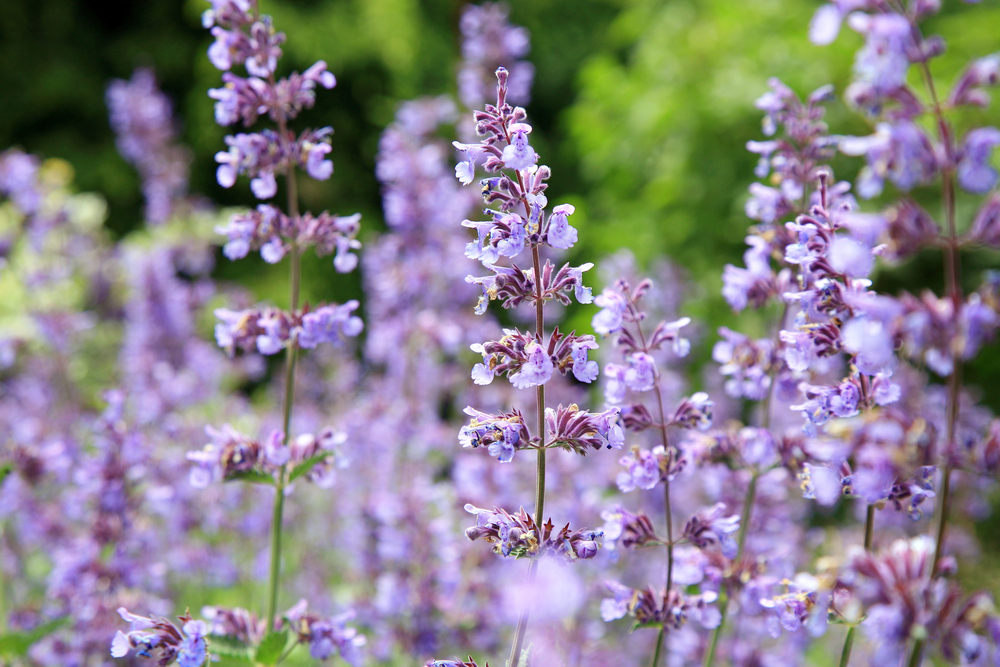
Cat mint is a hardy and low-maintenance perennial known for its profuse spikes of lavender-blue flowers. This aromatic herb attracts pollinators like bees and butterflies and is often used as a companion plant in vegetable gardens to deter pests. Cat mint is a versatile plant that can be grown in various soil types, and it blooms throughout the summer, providing a steady source of color and charm.
7. Clematis
Clematis vines are renowned for their spectacular and showy purple flowers that climb trellises, fences, and arbours. Varieties like Clematis ‘Jackmanii’ and ‘Etoile Violette’ showcase deep purple blooms that can create a stunning vertical display in your garden. These climbing perennials are perfect for adding height and drama to your outdoor space.
8. Lupine
Lupines are wildflower-like perennials that produce tall spikes of colourful pea-like flowers. While they come in a range of colours, including pink, blue, and white, the purple lupine varieties are particularly captivating. Lupines make a striking addition to cottage gardens and meadows, attracting pollinators and adding a touch of rustic charm.
9. Salvia
Salvias are a diverse group of plants that encompass annuals, perennials, and shrubs, with many species offering beautiful purple blooms. Varieties like Salvia nemorosa ‘May Night’ and Salvia officinalis ‘Purpurascens’ produce vibrant spikes of purple flowers that are a magnet for bees and hummingbirds. These drought-tolerant plants are ideal for sunny locations and will bloom throughout the summer, providing a burst of color.
10. Allium
Alliums, commonly known as ornamental onions, are unique and fascinating additions to any garden. These bulbous perennials produce globes of tiny, star-shaped purple flowers that appear to float above the foliage like ethereal orbs. Alliums come in various sizes, with some reaching impressive heights, making them ideal for creating eye-catching focal points. Planting different allium varieties can extend the flowering season from late spring to early summer.
Incorporating these ten beautiful purple flowers into your garden will not only infuse it with vibrant color but also attract beneficial pollinators and add a sense of elegance and charm. Whether you have a small urban garden or a sprawling rural landscape, there is a purple flower variety to suit your space and gardening skills. So, roll up your sleeves, grab your gardening tools, and get ready to cultivate your own purple paradise. With a little care and attention, your garden will soon be awash with the enchanting hues of purple, creating a captivating haven for both you and nature to enjoy.